Eleventy in a Box
A premium Eleventy starter kit for designers and developers who want to spend less time setting up the same project structure and more time designing websites.
Sinar saw digital photography coming decades before it transformed the industry. So why did one of photography’s most innovative companies struggle to survive it? I have some ideas.
When I sold Sinar cameras during the 1990s, it had been forty years since Carl Hans Koch had invented the modular large-format view camera system.
Sinar’s history had been punctuated by several technological innovations, including that modular system in 1948 and the first behind-the-lens shutter in 1951. In 1978, Sinar introduced the Sinar Digital Shutter and Exposure Module, which used microprocessor controls and LCD readout displays which were decades ahead of their time.
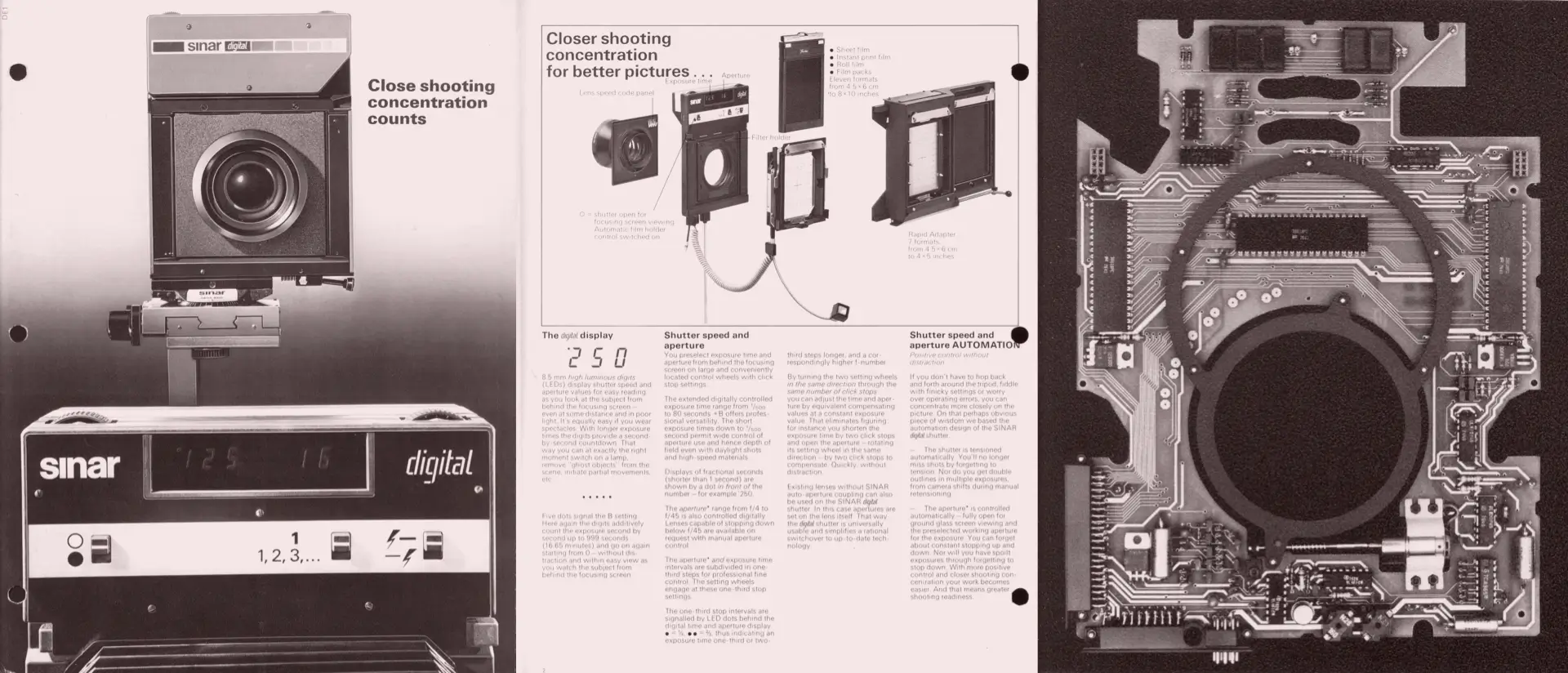
When I became involved with the Swiss company, the P2 (1984) was the pinnacle of view camera engineering, with its asymmetric swings and tilts. The Sinar Digital Shutter was soon replaced by the Expolux system, including a new behind-the-lens shutter, a film-plane Booster metering probe, and a Monitor controller that contained a library of available film stocks and their contrast ranges.
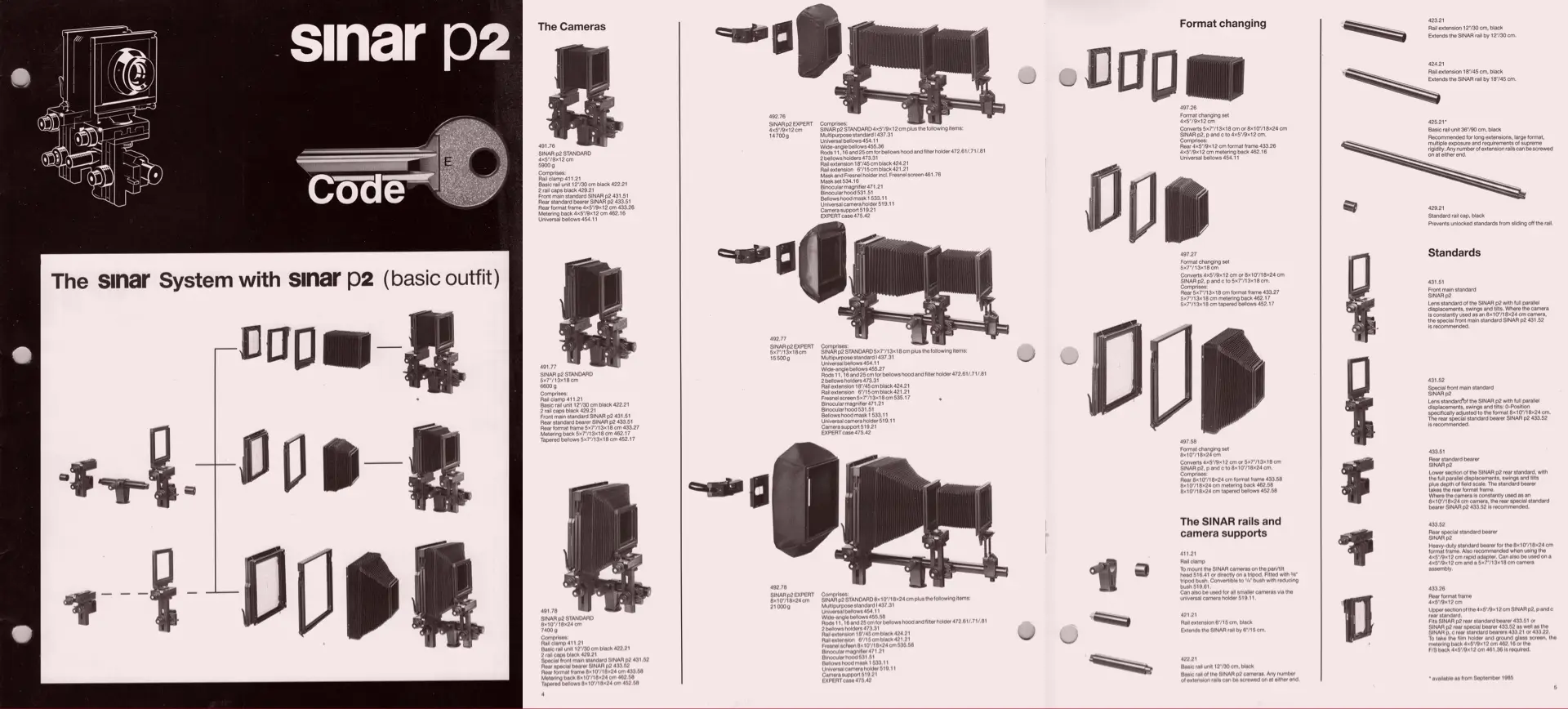
But the Sinar E was the most technologically radical camera Sinar ever produced. Until then, photographers used lines on the film plane’s ground glass to calculate the swings and tilt movements needed to lay a plane of sharpness across a subject. A simple dial on the focussing wheel let them calculate the optimum aperture.
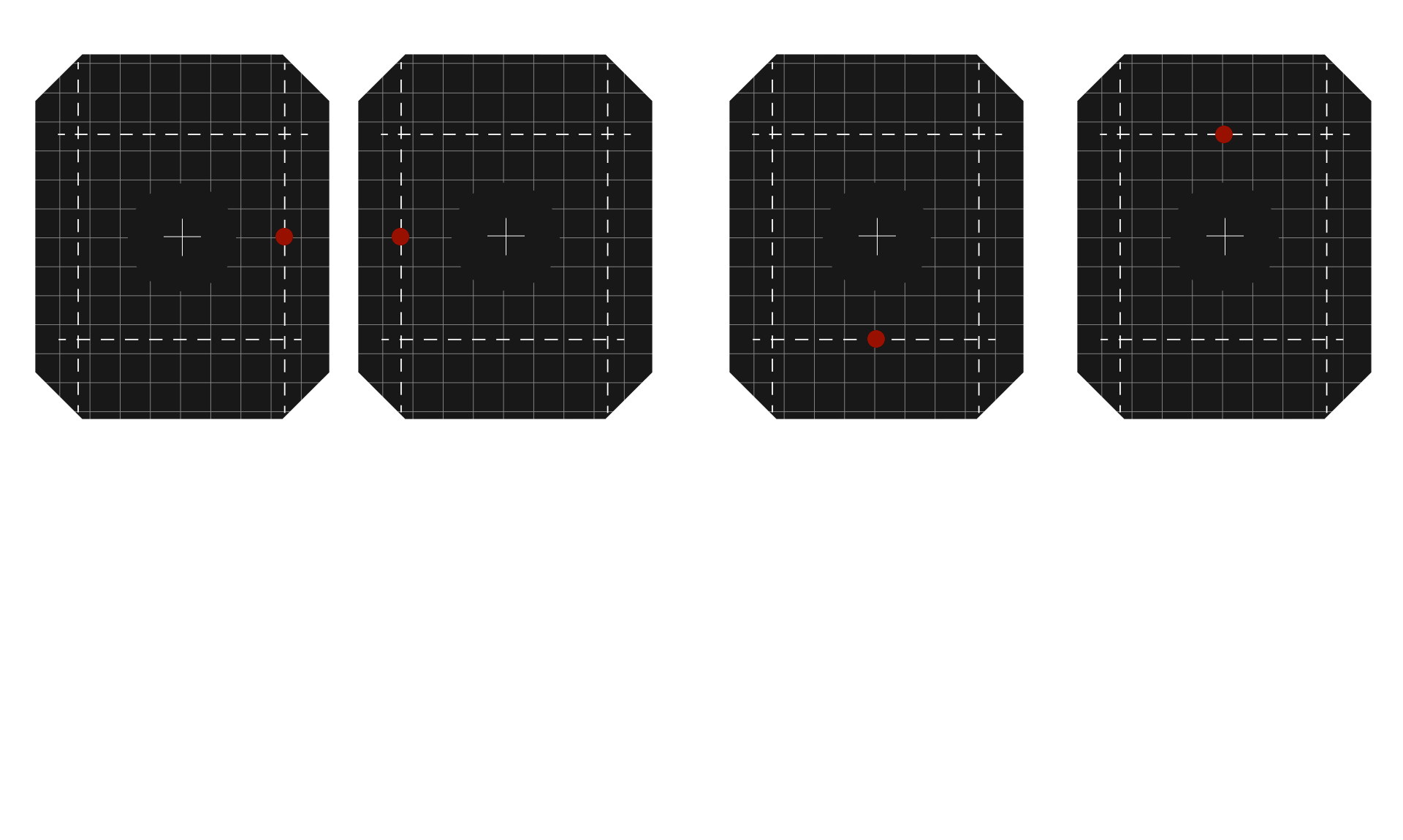
With the Sinar E, photographers could use a probe in the film plane to set up to twelve points of sharpness, and an attached computer would calculate the optimum camera movements and aperture, which was typically two f-stops wider than could be achieved manually.
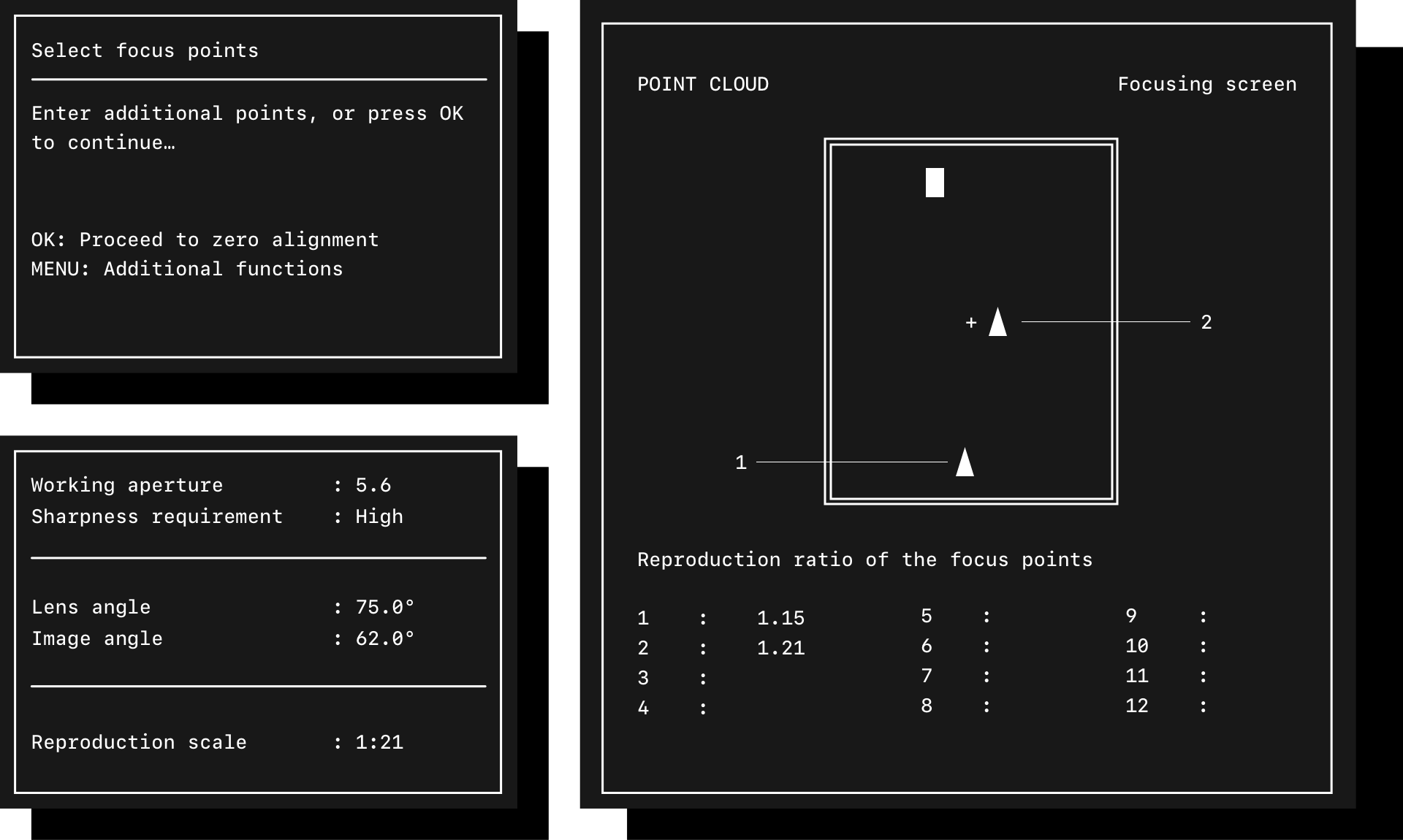
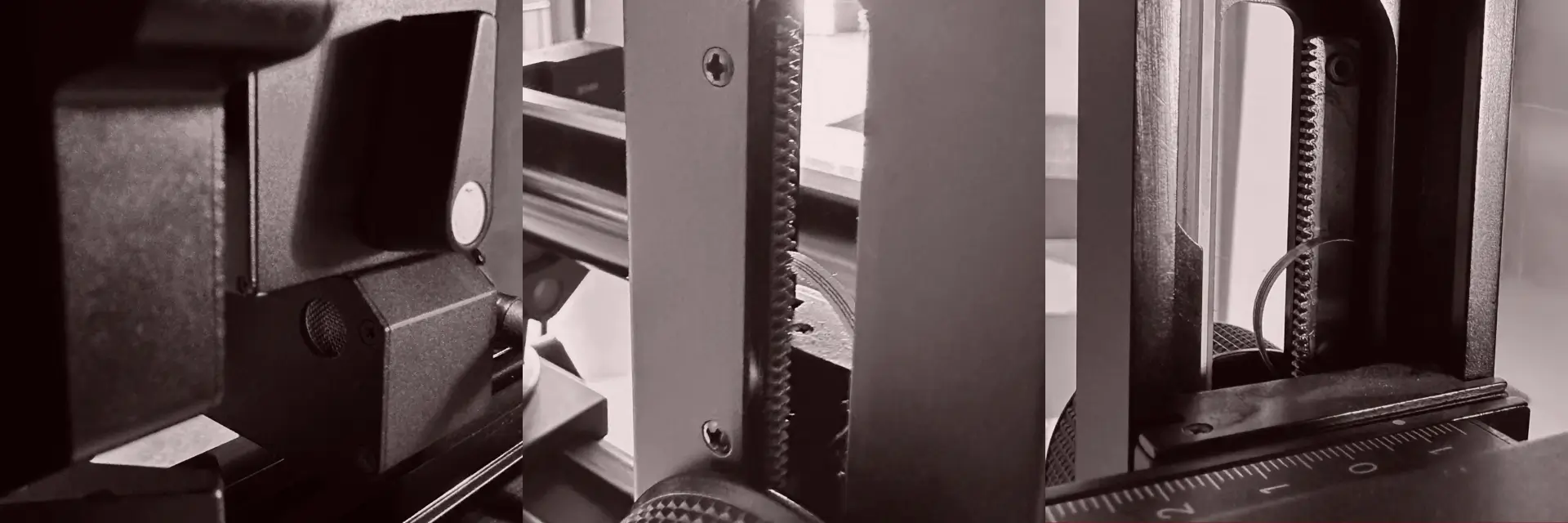
The Sinar E had no embedded motors to set those camera movements. Instead, the Sinar E was fitted with micro-electronics and ultrasonic sensors which knew the precise position of each movement and displayed them on the computer screen.
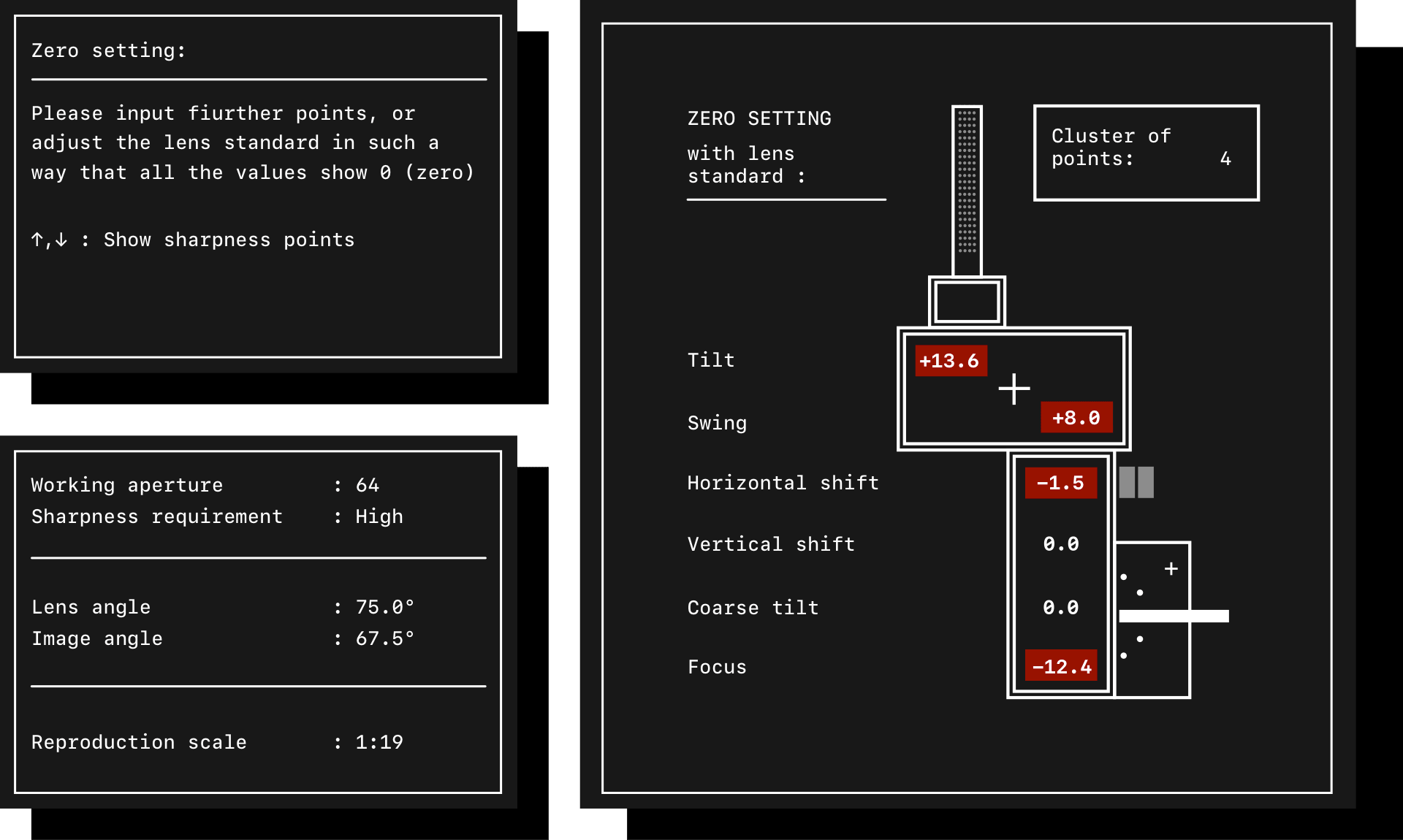
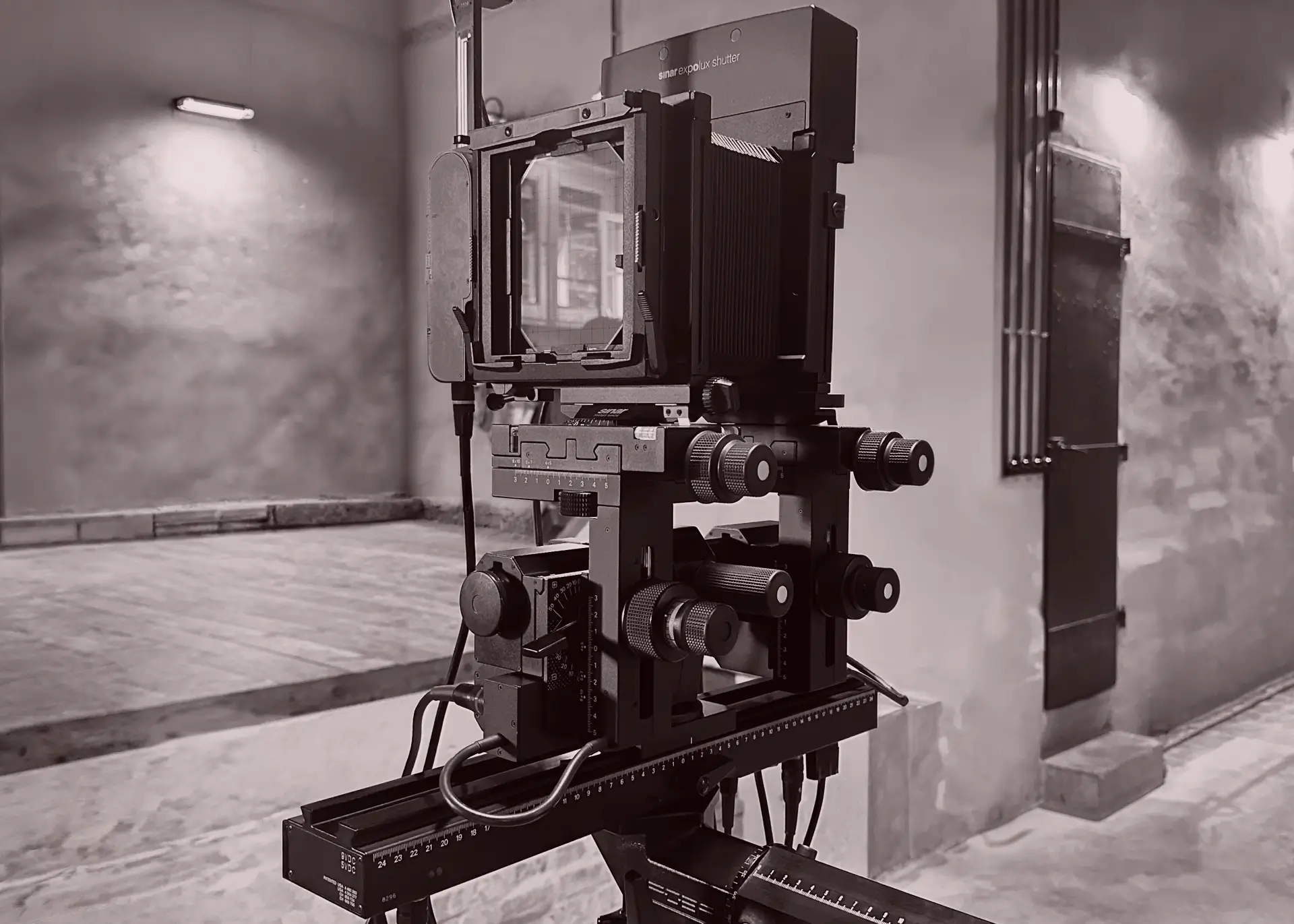
I’d thought that the Sinar E became defunct years ago, but last week I spent the day with two photographers in Stuttgart who both have the cameras. One even has the 10x8" version I’d forgotten Sinar made. Seeing them again reminded me how to assemble and operate these incredible cameras.
While other view camera makers came close to matching Sinar’s engineering precision, no one attempted the kind of technology that Sinar achieved with the Sinar E. It was truly revolutionary and pointed the way to what view cameras would become in the future. But the future had other ideas.
In 1991–2, two men in suits walked into the Sinar dealership where I was working. They worked for Scitex, a pre-press equipment manufacturer that had acquired Leaf the year before. Leaf manufactured one of the earliest high-end digital camera backs, the DCB1.
Those two suits were carrying a DCB1 and were on their way to show it for the first time at London’s Business Design Centre. They needed a camera and lighting, so I went with them. We set up the DCB1, and I took what I’m sure was one of the first high-end digital photographs in the UK.
The Leaf DCB1 was big and heavy, with huge fins to keep its CCD chip cool. It was also low-resolution by today’s standards, with a 2048×2048 pixel sensor resulting in a 4-megapixel image. It could only shoot in black and white, so to capture colour, it took three pictures in sequence through a motorised, rotating RGB filter wheel.
Although the Leaf DCB1’s capabilities were limited, it was clear that digital photography could soon be as common as film and might ultimately replace it.
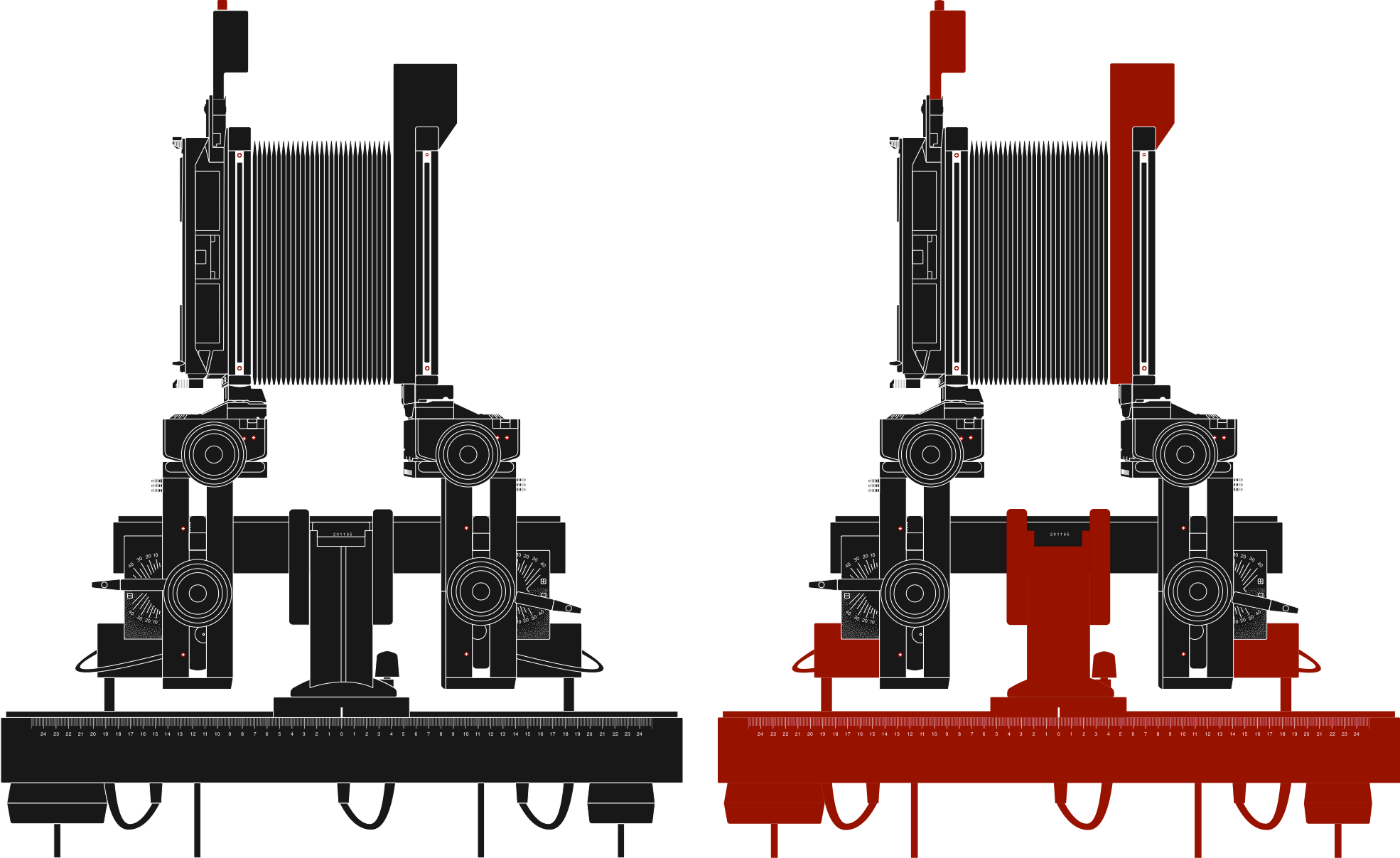
Sinar’s first product for use with the Leaf DCB1 was a sliding adapter to be fitted in place of the conventional film carrier. But Sinar seemed unsure about how to handle digital photography. In their 1993 Sinar Info 39, “Digital Professional Photography,” they outlined three possible routes photographers might take: Digital, Hybrid, and Chemical.
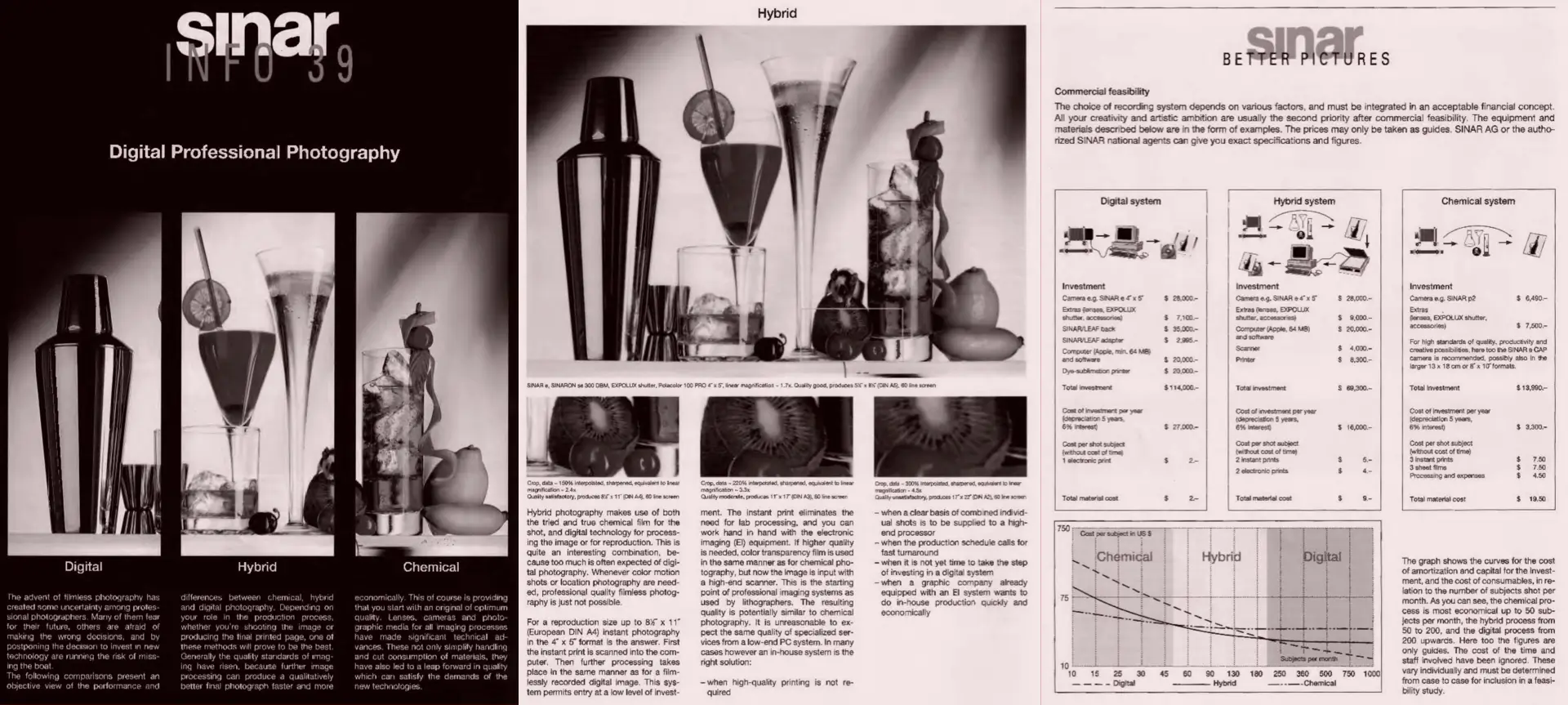
For digital, they explained that:
For many photographs, the type of perspective (e.g. viewpoint perspective and verticals) and a free choice of the sharpness plane are essential. The view camera with movements is preferable to a fixed-body camera for this application.
That view camera movements would still matter when shooting digital was a crucially important point. Then, Sinar leant heavily on the precision of their engineering:
Since the recording area of the CCD chip is only 1.2” × 1.2” (3 × 3 cm), with a concentrated density of 4 million pixels, it makes extremely heavy demands on the recording system. These demands are met by the following SINAR modules.
Electronic SINAR e camera
Mechanical SINAR p2 camera
SINAR/LEAF adapter
SINARON digital lenses
SINAR EXPOLUX shutter
But the Hybrid workflow—shooting 4×5 Polaroid, scanning it, and processing it digitally—showed that Sinar thought digital would be an adjunct to large-format photography, not its ultimate replacement.
Whenever color motion shots or location photography are needed, professional quality filmless photography is just not possible. […] Instant photography in the 4” × 5” format is the answer. First, the instant print is scanned into the computer. Then further processing takes place in the same manner as for a filmlessly recorded digital image. […] The instant print eliminates the need for lab processing, and you can work hand in hand with the electronic imaging (EI) equipment.
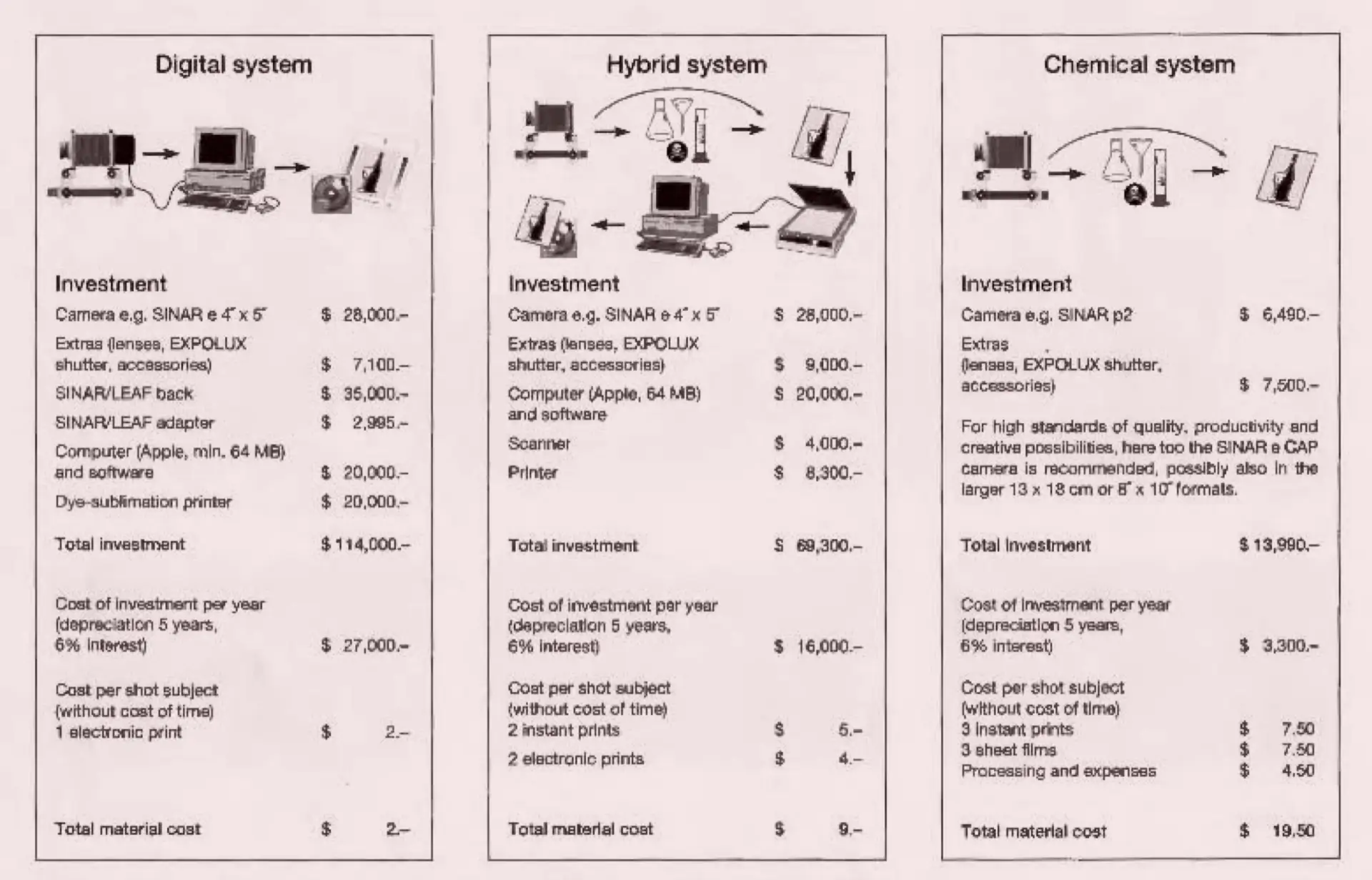
Like most of the industry back then, Sinar framed going digital in economic terms in 1993, when they published their Info 39: savings in film and processing. Considering their own suggestion for a digital set-up consisting of a Sinar E, accessories, Leaf DCB, and computer cost an eye-watering $114k (over $260k in today’s money), a photographer would need to shoot tens of thousands of images before seeing a return.
Understanding that the savings digital photography created weren’t from consumables, as many people, including Sinar, thought, but would come from how it affected the pre-press workflow, was what made Silicon Imaging successful where others had failed. We combined Leaf Digital camera backs with Iris printers, which could be calibrated to match the profiles of printing presses, cutting out not only scanning but also repeated rounds of colour correction and Chromalin proofs.
Although we sold some digital camera backs to individual photographers, we focused on large-scale consumers and producers of photography. We sold to auction houses like Christie's and Sotheby’s, catalogue studios like Capricorn 4 and Montage in Manchester, publishers like BCA (Book Club Associates) and retailers like Avon and Dixons. Some of these companies had never run their own photography studios, so we installed everything from camera and lighting equipment, to workstations like the Scitex Savanna, to proofers like the Iris.
Although it looked from the outside like the shift to digital photography took Sinar by surprise, they had been thinking seriously about its implications since at least 1978. In 1986, Sinar created Interscan in Minneapolis, where two employees developed a prototype 4×5" scanning back capable of producing a 2000×3000-pixel, 6-megapixel image.
As the industry pivoted towards digital photography—and I switched to selling Leaf full-time at Silicon Imaging—Sinar tried to bridge the gap between analogue view camera movements and digital back integration.
Sinar leaned heavily on their platform’s reputation for precision, both in the cameras themselves and in their range of lenses, which now included optics designed to focus an image onto a small-area CCD rather than a large-format film plane.
They made a specialised version of their vibration-free Expolux Shutter which included the tri-colour filter wheel the Leaf DCB needed. Sinar followed with the SinarCam, launched at Photokina in 1996, a shutter-sized device that combined an electronic focal-plane shutter with a digital back adapter that could replace the film back on a Sinar P2 or E, or serve as a standalone studio camera without movements. Photographers could mount medium-format and large-format lenses to the front and a digital sensor to the back.
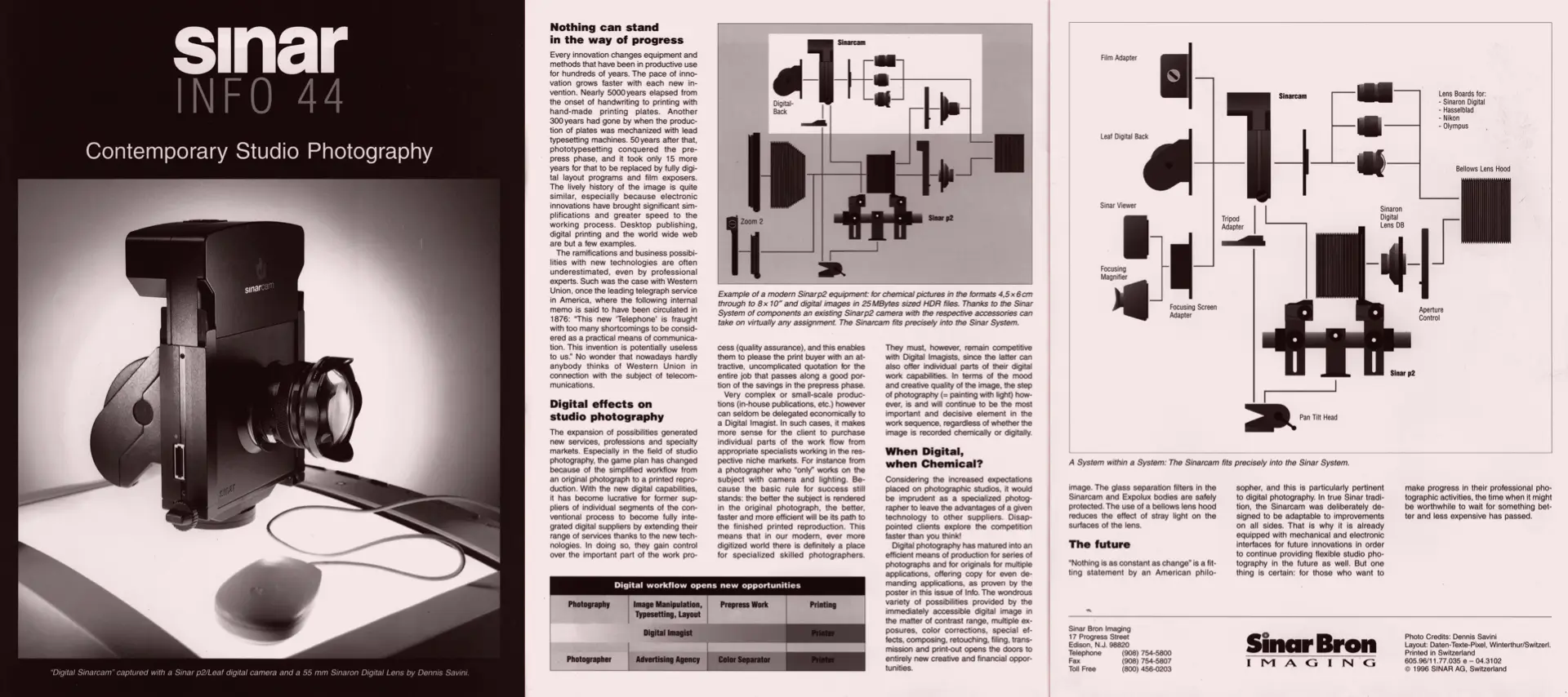
In 1998, Sinar became an important manufacturer of digital backs. Resolution increased rapidly, from six megapixels in 2000 to sixteen in 2001 and more than twenty-two megapixels a year later.
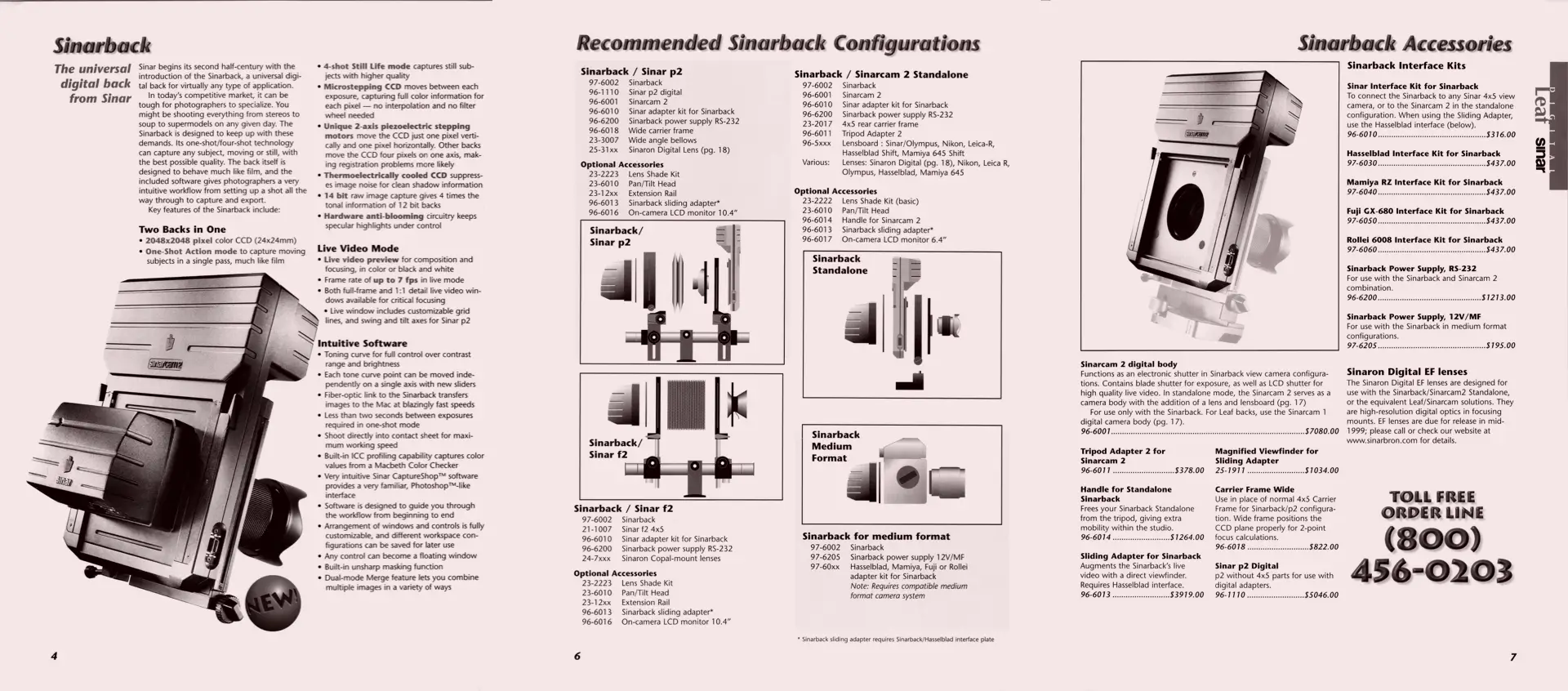
The investment initially paid off. 2000 was the best year in Sinar’s history, but the cost of continued research and development was becoming increasingly difficult to sustain. By 2013, the photographic industry was fully digital, and Sinar’s business was struggling.
They experimented with other formats, like the Sinar M medium-format camera, ARTEC for architectural photographers in 2009, and the lanTec for architecture and landscape photographers in 2012.
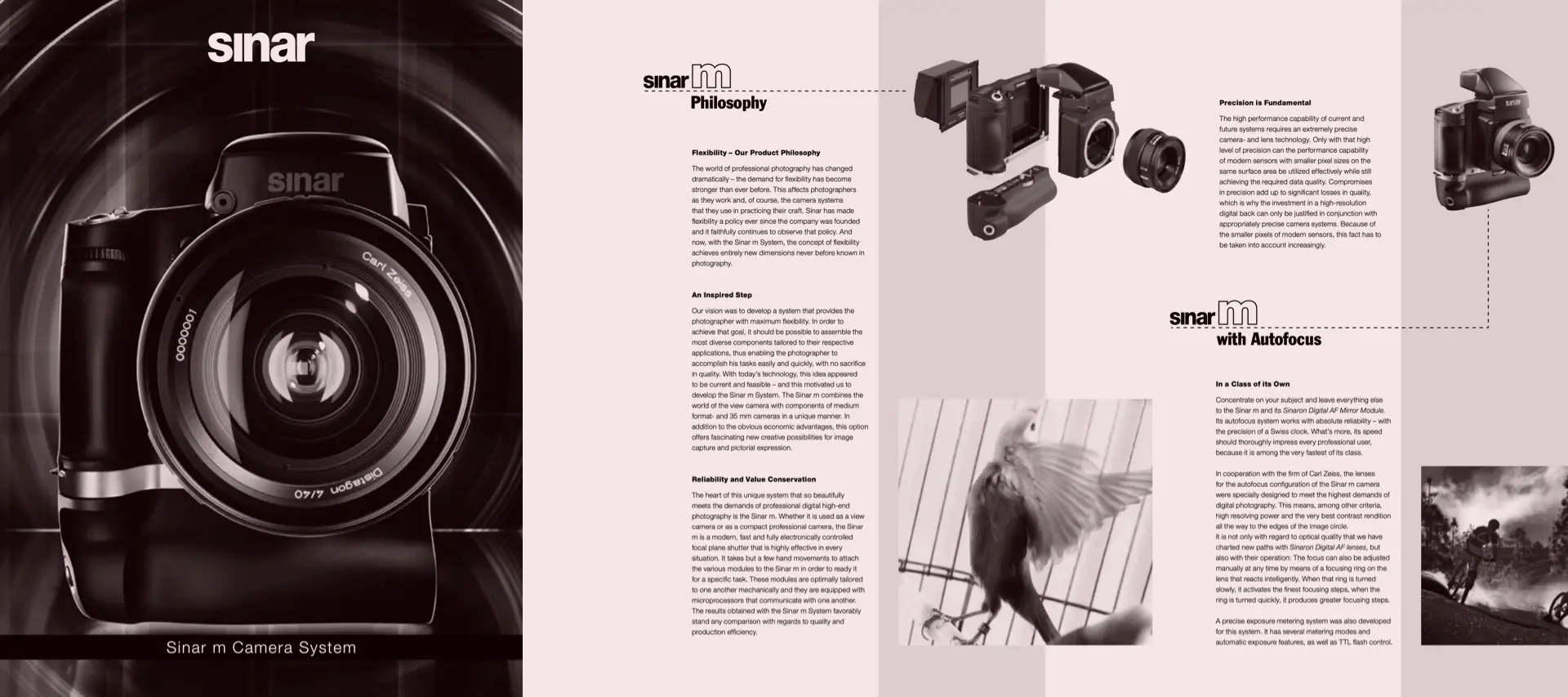
Then, in 2006, Sinar released the Hy6. Engineering-wise, this medium-format digital SLR camera shared nothing with Sinar’s traditional view camera systems. The Hy6 was developed as a common platform and appeared in Sinar, Leaf, and Rolleiflex versions. The Hy6 was designed to compete with Hasselblad’s now-closed system, but the project was a disaster for everyone involved, including Sinar.
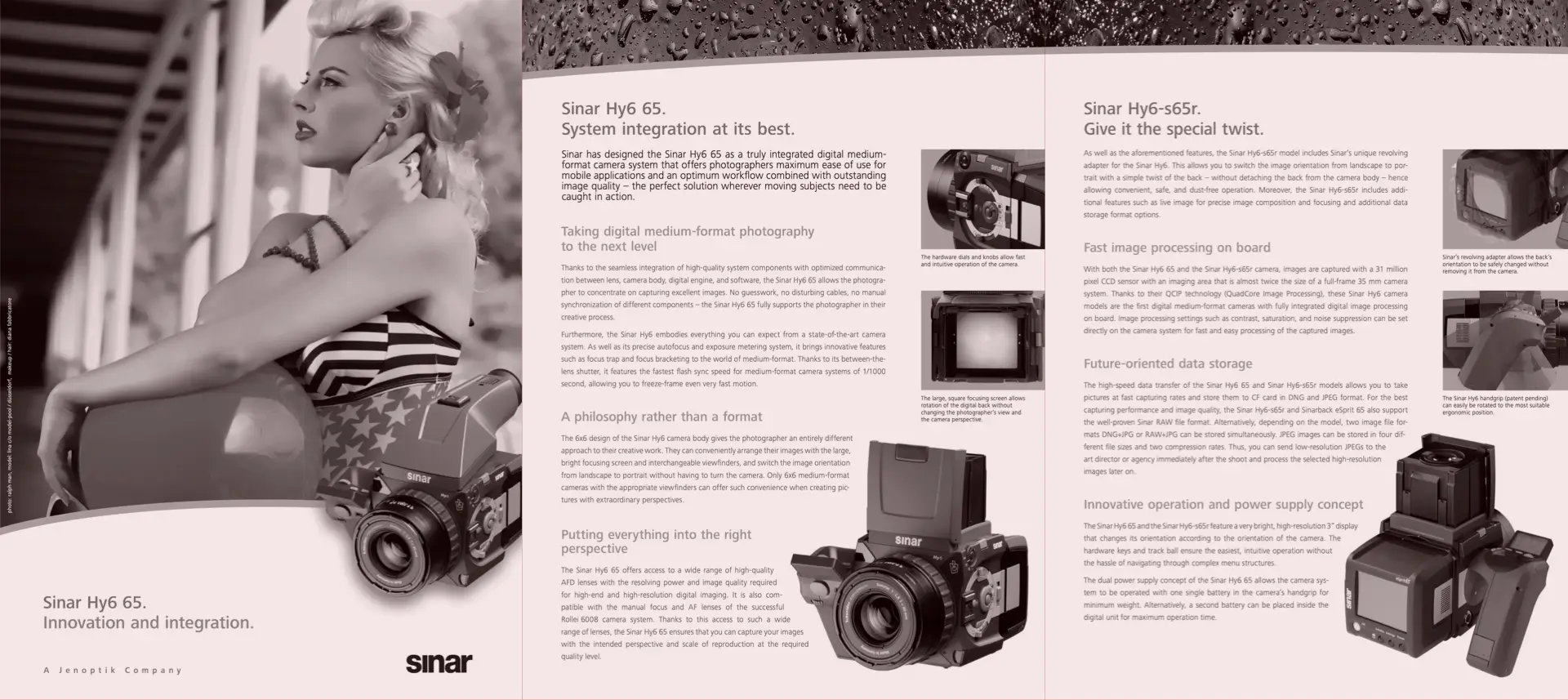
Jenoptik acquired a majority stake in Sinar during this period. Then, in November 2013, Leica Camera acquired Sinar Photography AG.
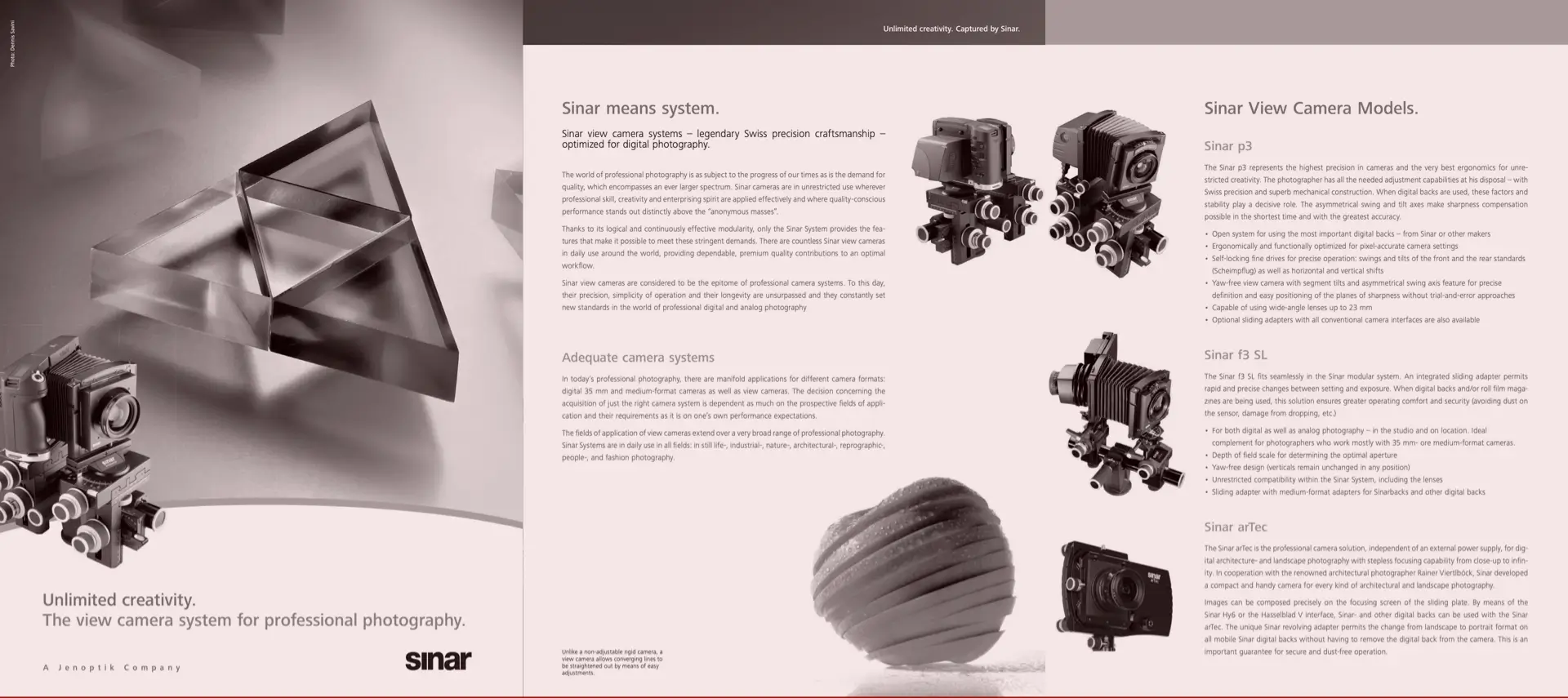
Leica still owns the Sinar brand, while Munich-based MacConsult has handled Sinar service and distribution in Germany since 2013. In 2021, Leica transferred global responsibility for Sinar sales, service, and production to MacConsult.
Sinar’s business didn’t fail because of poor engineering. Its mechanical cameras, like the P2 and earlier models, are still in use, albeit mostly by film photography enthusiasts. Even the Sinar E, with its electronically measured movements, is still being used, although getting its thirty-year-old software running on an MS-DOS-powered PC is tricky.
Sinar also didn’t fail through lack of vision. Hans-Carl Koch was already writing internally about digital photography in 1978, and Sinar’s Interscan project followed in 1986. So why did Sinar’s business fail?
Transitions from one era to another, like the transition between chemical and digital, are rarely smooth, especially for companies that have achieved huge success during one era.
Before I give you my thoughts on why Sinar is no longer a player in the photography industry, I want to go back over 100 years and talk about ice.
Like the ice trade between Norway and Great Britain, Switzerland played a major role in the ice-harvesting industry in the nineteenth century, thanks to its alpine lakes and long winters.
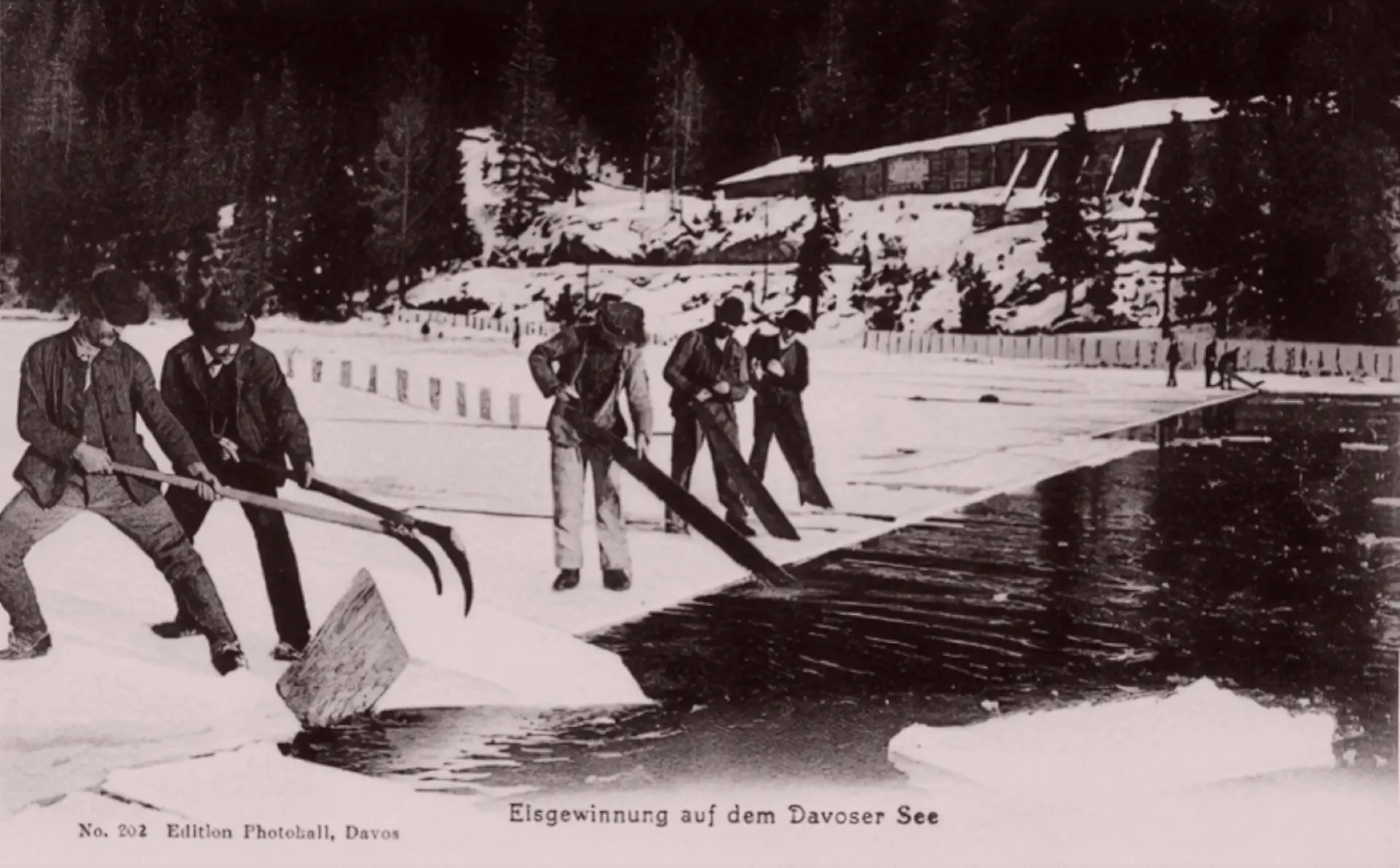
In the Jura Mountains, Lac Brenet and Lac de Joux froze completely in winter, and companies employed large numbers of people to cut, store, and transport clear Alpine ice around Europe. Elsewhere in Switzerland, Davosersee (Lake Davos) was used for commercial ice harvesting until the 1920s, with ice transported by rail to other parts of Switzerland.
Workers kept the frozen lakes clear of snow, which allowed the cold air to freeze the ice deeper and faster. Horses pulled heavy iron marker ploughs which scored deep grid lines into the ice, which labourers followed using ice saws to cut the ice into blocks weighing up to several hundred pounds. They floated these blocks down open water channels and stored them in insulated ice houses until the hot summer months.
Natural Swiss ice harvesting declined as artificial refrigeration made year-round ice production increasingly practical.
Vapour-compression refrigeration machines made artificial cooling and ice production more reliable than depending on frozen lakes. Early industrial refrigeration installations could be enormous pieces of machinery, frequently powered by steam engines.
As electric motors and refrigeration technology improved, mechanical refrigeration became progressively smaller and more practical. The Swiss engineering company Escher Wyss had already been building industrial refrigeration equipment by the end of the nineteenth century. In 1921, it established a refrigeration works at Lindau-Reutin, and production of its compact Autofrigor refrigeration machine began in 1922.
The Autofrigor was a hermetically sealed refrigeration unit which combined its compressor and electric motor into a compact system. It was marketed for uses ranging from hotels, restaurants, hospitals, bakeries, and food shops to domestic settings. This was the crucial change. Refrigeration no longer depended on someone harvesting ice elsewhere and transporting it to where cooling was needed.
The companies that harvested ice from frozen Swiss lakes didn’t fail because they suddenly became bad at harvesting ice. Refrigeration made them irrelevant by changing the problem from how to harvest, store, and transport ice to how to make it wherever and whenever it was needed. I think something similar happened to Sinar.
Sinar’s business didn’t fail because its cameras were poorly engineered; quite the opposite. It didn’t fail because Sinar couldn’t see digital photography coming. They’d been researching digital imaging since the 1970s, created Interscan in the 1980s, worked with Leaf in the 1990s, and eventually developed their own digital backs. Sinar saw the future coming, but its problem was interpreting what that future would mean.
When digital backs first appeared, their small sensors placed extraordinary demands on cameras and lenses. Sinar responded by doing what it had always done best: improving precision. Its digital lenses were designed specifically for small CCD sensors. The Expolux shutter was adapted to work with Leaf’s colour filter wheel. The P3 made camera movements even more precise. The SinarCam integrated digital backs into a flexible studio system.
These were remarkable engineering solutions, but they solved problems that mattered less and less. First, there was the quality. For decades, professional photographers had needed view camera movements to solve photographic problems. In the film era, large-format cameras were essential for commercial photography. If a company wanted a photograph for a billboard, it had to be shot on 5×4" or even 10×8" sheet film to capture enough detail.
Then, there was creative control. If a building appeared to lean backwards, camera movements corrected perspective using rise and fall. If a product shot needed to be sharp from front to back, a view camera could swing and tilt the lens or film planes.
The Sinar E represented the ultimate expression of that thinking. Electronics and ultrasonic sensors could tell a photographer precisely how much swing or tilt was needed and automatically calculate the optimum aperture. It used technology to improve the view camera. But digital photography asked a more disruptive question: Why does a photographer even need a view camera?
As digital sensors improved, they soon met most commercial clients’ requirements. Photographers couldn’t justify spending $100,000 on a Sinar camera, electronic shutter, and digital back when medium-format cameras costing far less could deliver acceptable results.
When Silicon Imaging and I first sold Leaf digital camera backs, we chose the Fuji GX680 because its lens holder could move in similar ways to camera movements. Other photographers ignored camera movements altogether and opted for fixed-plane medium-format cameras like Hasselblads and the Mamiya RB67.
As software developed, perspective correction increasingly moved into post-production, while techniques such as focus stacking offered another way to achieve enormous depth of field. Instead of spending time meticulously adjusting a Sinar P3 standard to get edge-to-edge sharpness on a product, photographers could shoot a sequence of images at different focus points and use focus-stacking software to blend them perfectly in far less time.
Smaller cameras also felt more compatible with digital backs than large format view cameras, and medium-format could deliver results without the need for a monorail camera with bellows, standards, geared movements, and especially a computer to tell a photographer where to put them. The problems Sinar spent decades solving didn’t disappear, but their importance diminished.
This is why I don’t think Sinar’s story is simply one of a company that failed to embrace digital photography. That would be easy to understand, but it isn’t what happened. Sinar embraced digital photography enthusiastically. It just kept asking how digital technology could improve the kind of photography it already knew and understood.
It was the same mistake the ice harvesters made. A better saw could cut ice faster. Better insulation could keep it frozen longer. Better logistics could transport it further. None of those improvements mattered once a machine could make ice where it was needed. Sinar kept making better saws.
And there’s an irony here for me because, while Sinar was working out what digital photography meant for its business, I was making the same transition myself.
I’d spent years selling and demonstrating Sinar cameras. I understood why their precision mattered and admired the ingenuity behind cameras like the E. Then I moved to Silicon Imaging and began selling Leaf digital systems full-time. I went from selling perhaps the most sophisticated expression of chemical photography to selling the technology that would ultimately make much of that sophistication unnecessary.
At the time, I didn’t think about it in those terms. Digital photography was simply exciting and obviously where the industry was heading. Looking back thirty years later, the transition seems much more profound.
The Leaf DCB1 I first saw was crude by modern standards. Next to a Sinar P2, it was easy to see everything digital photography couldn’t yet do. It was much harder to see everything it eventually wouldn’t need to do. That, I think, was Sinar’s problem.
The company had spent decades becoming extraordinarily good at precision photographic engineering. Every new generation refined that expertise. The P2 was more precise than the P it replaced. The E added electronics. The Expolux automated exposure. The P3 adapted the system for smaller digital sensors. Sinarbacks brought digital capture in-house.
But technological transitions don’t always reward companies that perfect an old process. Sinar understood that photography was going digital. What it didn’t fully anticipate was that the engineering precision in camera movements it had spent decades perfecting wasn’t something most photographers would care about.
Sinar saw the future coming. It just didn’t realise the future wouldn’t want a better view camera.
I left the photographic industry in the early 2000s. If you worked for Sinar and/or can shed any light on why they’re not still the industry-leading company they once were, I’d love to hear from you.

I’m Andy Clarke. I’ve spent over thirty years helping clients create memorable websites. I’m also the author of five books on web design.
Planning a new website? I’d love to help you create something memorable.
A premium Eleventy starter kit for designers and developers who want to spend less time setting up the same project structure and more time designing websites.
Contract Killer is plain and simple and there’s no legal jargon. It’s customisable to suit your business and has been used on countless web projects since 2008.
Free compound grid and modular grid layout generators, plus a set of HTML/CSS layout templates you can call on to make more interesting layouts, available to buy.